
Are you in a crisis? Call or text 988 to speak to a crisis counselor.

TMS Should Be Considered as First-Line Treatment for Moderate to Severe Major Depressive Disorder

After incorporating transcranial magnetic stimulation (TMS) into my practice back in 2009, I anxiously awaited the release of APA’s Practice Guideline for the Treatment of Patients With Major Depressive Disorder, which was published in 2010. I was concerned that the guideline would not mention TMS. The work group reviewed more than 13,000 articles published between 1999 (when the search from the previous edition ended) and 2006. The pivotal trial that led to the initial FDA clearance for TMS in October 2008 was published in the December 1, 2007, issue of Biological Psychiatry.

To my surprise, not only was TMS mentioned but a number of key guideline changes included recommendations for the following:

  • Psychiatrists should present patients with information concerning the evidence for a broad range of treatment options, including somatic therapies and psychosocial interventions.

  • Psychiatrists should use a clinician- and/or patient-administered rating scale for psychiatric symptoms to help with treatment strategies.

  • ECT is indicated for treatment-resistant depression, but monoamine oxidase inhibitors, TMS, and vagus nerve stimulation are other potential options.

  • Maintenance treatment should be considered after the continuation phase, especially for patients at risk for recurrence.

  • There is currently insufficient evidence to support the use of TMS in the initial treatment of major depressive disorder.

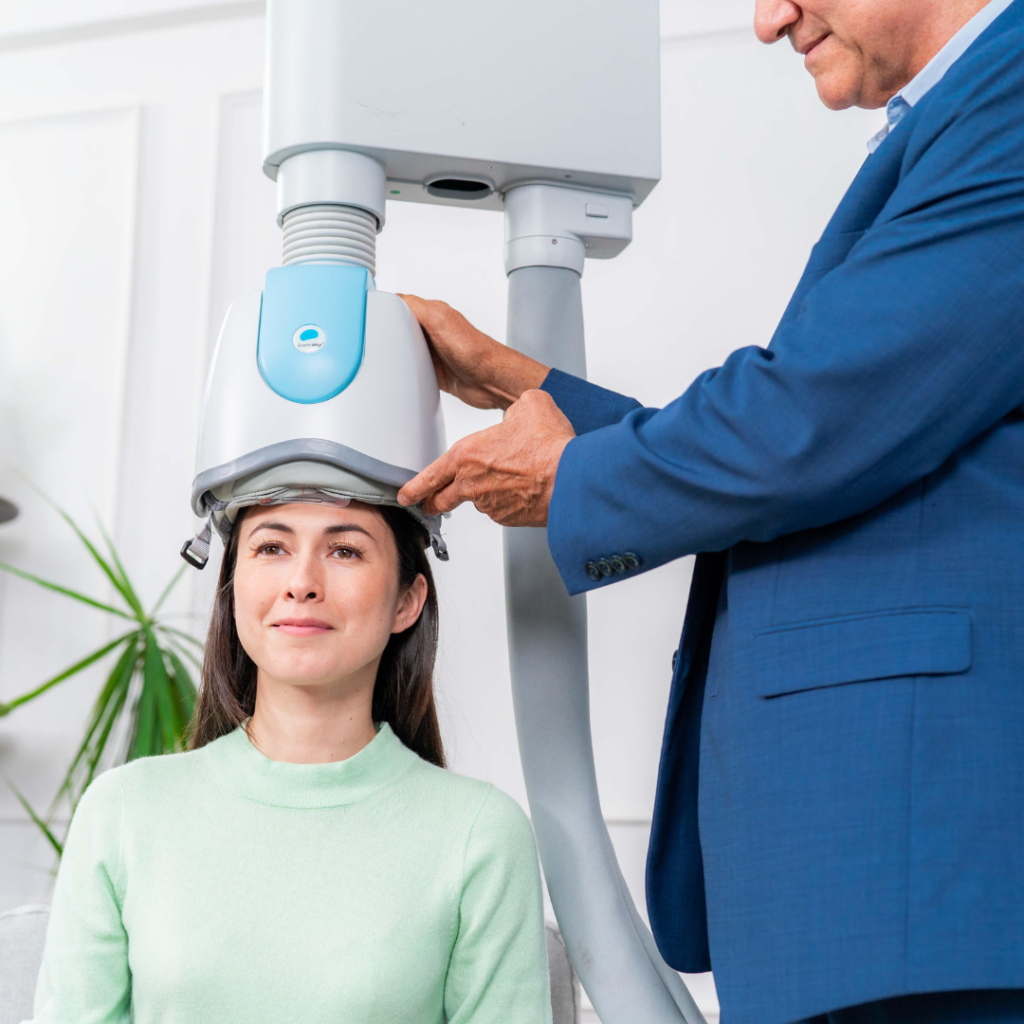
As I read the guidelines recently and considered the number of new outcome studies conducted with TMS, I believe TMS should be considered in addition to pharmacotherapy and psychotherapy as a first-line treatment for patients with moderate to severe major depressive disorder.

Table: TMS Outcomes as First-Line Treatment for Nonpsychotic Major Depression

There are a few key publications that highlight the growth in TMS over the last 10 years (see table). A relatively new systematic qualitative analysis published January 8, 2019, in BMJ Psychiatry indicates the sooner treatment-naïve patients start TMS in the current depressive episode, the better the outcome. Ten articles were included in the analysis (six high grade and four lower grade) that demonstrated a 95% response rate and 63% remission rate in subjects who received TMS as a first-line treatment in the current episode. Furthermore, discontinuation rates are lower with TMS compared with pharmacotherapy, and TMS has no systemic side effects such as weight gain, premature diabetes, and sexual side effects. TMS is cost-effective and leads to higher adjusted quality-adjusted life years.

Given the evidence, it may be considered unethical to not discuss TMS as a treatment option for patients who are treatment naïve or who have failed one antidepressant in the current episode. As ambassadors for recovery, psychiatrists should present patients with information concerning the evidence for a broad range of treatment options, including somatic therapies and psychosocial interventions. ■


References

John A. Rush et al. “Acute and Longer-Term Outcomes in Depressed Outpatients Requiring One or Several Treatment Steps: A STAR*D Report

David L. Dunner et al. “A Multisite, Naturalistic, Observational Study Of Transcranial Magnetic Stimulation for Patients With Pharmacoresistant Major Depressive Disorder: Durability of Benefit Over a 1-Year Follow-up Period

Jeffrey Voigt et al. “A Systematic Literature Review of the Clinical Efficacy of Repetitive Transcranial Magnetic Stimulation (rTMS) in Non-Treatment Resistant Patients With Major Depressive Disorder

1200 630 Taylor Carter
Start Typing

Revenue Cycle Director, Oak Brook IL - Psychiatry Practice

Position Purpose

The Revenue Cycle Management (RCM) Director for APS Innovations will lead the revenue cycle management of a multi-clinic psychiatric practice based in Illinois. They will have a direct impact on accounts receivable, cash acceleration, and net revenue. The ideal candidate will have multistate payor experience in the field of psychiatry.

Responsibilities Include:

  • Engage in all aspects of Revenue Cycle Management. The RCM Director works
    strategically, proactively, and collaboratively, aligning our system resources to ensure effective outcomes.
  • Manage payer relations to negotiate contracts, resolve unpaid claims
  • Review underpayments and address them in a timely fashion
  • Work with external agencies to address patient collections
  • Monitor billing reports delivered by the contracted billing service and hold them accountable for items they should be completing and providing.
  • Improvements for revenue cycle efficiencies. Measure account performance against revenue cycle KPIs (e.g., days in accounts receivable, first-pass payment resolution, net collection benchmarks, and best practices for timely filing.
  • Establish and maintain system parameters and setup that support timely submission of claims resulting in payment maximization that is both efficient and effective.
  • Utilize system tools to identify at-risk accounts and determine actions required.
  • Manage accounts receivable, including analyzing by category and by the payer and offering strategic solutions to reduce time in aging.
  • Direct follow-up work to determine unpaid claim status and take appropriate actions to ensure prompt payment.
  • Create A/R Plans to drive improved results.
  • Serve as the Subject Matter Expert (SME) in revenue cycle management, including reporting results to senior leadership, identifying performance issues, and recommending actions to drive success.
  • Spravato & TMS pre-authorizations

Qualifications

  • Strong analytical and problem-solving skills with the ability to analyze and interpret large amounts of data.
  • Organized with the ability to identify and track progress against priorities.
  • Committed to delivering tasks and projects on time.
  • Highly skilled in setting expectations and delivering communication/coaching.
  • Has exceptional written and verbal communication skills with the ability engage with front end staff to board members
  • Ability to work in a highly fast-paced and independent environment.
  • Flexible and adaptable.
  • Constantly in search of new and better methods.
  • Bachelor’s Degree in healthcare or a related field required; Master’s Degree preferred
  • 10+ years of provider-based healthcare experience within Revenue Cycle required, and at least seven (7) years of experience managing others required
  • Knowledge of broad Revenue Cycle Systems
  • Clear and concise verbal and written communication skills and the ability to advise our clients professionally and positively
  • Strong people leader, adapt at managing team’s work while developing colleagues’ capabilities
  • College Degree / MBA
  • Senior level of knowledge of medical billing, including commercial payers, Medicare, Tricare, and patient responsibility, is required
  • Training on HIPAA privacy and security requirements

At APS Innovations we believe in and foster diversity, inclusion and equality for our employees, patients, and community. We are an equal opportunity employer. We offer competitive benefits inclusive of:

  • Health, dental, vision, and life insurance
  • 3% Employer Match retirement/401K plan
  • Paid vacation, paid holidays, and other personal time off
  • Advanced training/career advancement opportunities

Interested applicants must submit a cover letter with salary requirements along with their resume.

Now Accepting New Patients

Fill out the form below, and we will be in touch shortly.
Name(Required)
This field is for validation purposes and should be left unchanged.